HOW IS MATCHA CHANGING? FROM TRADITIONAL TEA TO A NEW WAVE OF CREATIVITY IN F&B
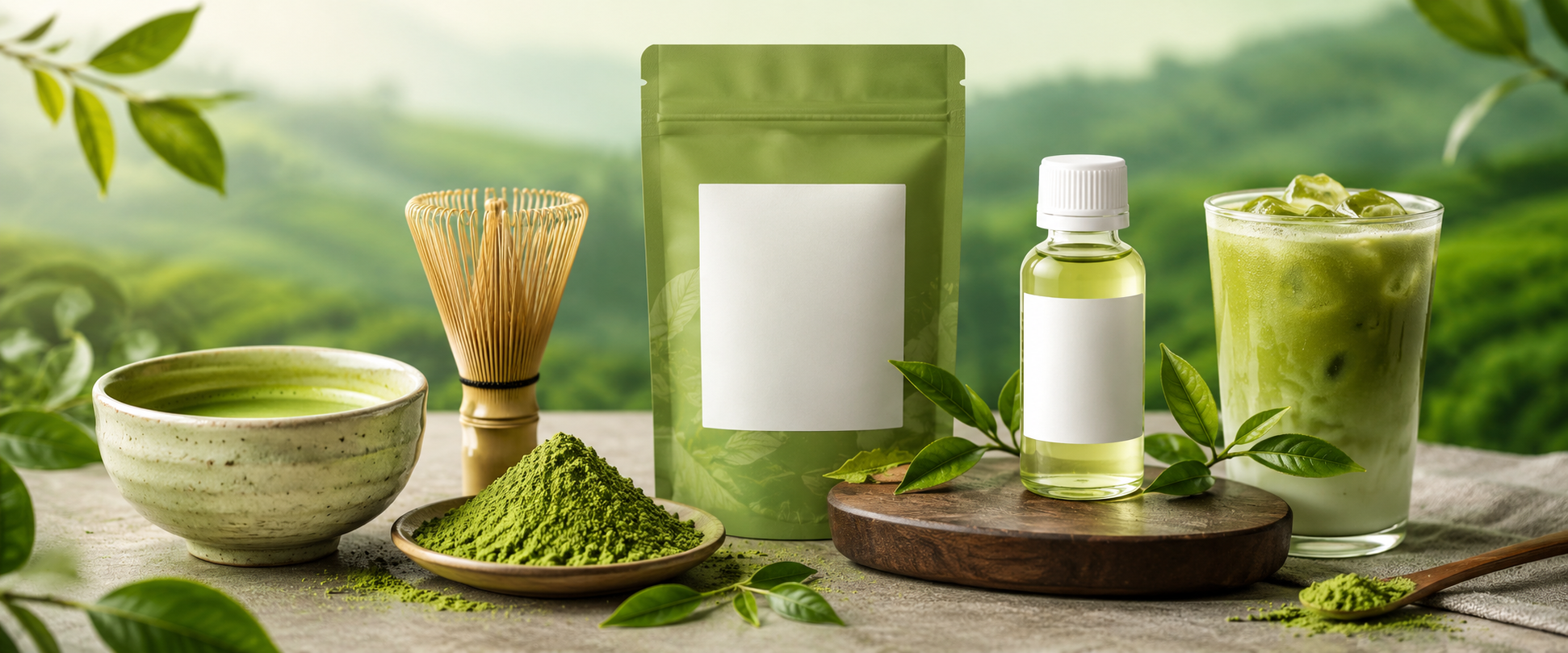
A few years ago, when people mentioned matcha, they would often think of a cup of green tea inspired by Japanese tea culture. Today, the story is completely different. Matcha can be found in lattes, blended drinks, pastries, ice cream, chocolate, pudding, jelly, and an increasing number of creative beverage recipes. It is not only the way matcha is consumed that is changing; matcha is also being combined with new ingredients, creating a more diverse world of flavors. Matcha is no longer just a type of tea. It is becoming a new “language” of the F&B industry.
From a Cup of Tea to a Creative Ingredient
The interesting thing about matcha lies in its versatility. Matcha itself offers a distinctive green color, a clear tea character, a gentle bitterness, and a characteristic aftertaste. But when combined with other ingredients, the experience can change completely.
Matcha + milk creates a creamy and smooth sensation.
Matcha + chocolate creates a balance between the bitterness of tea and the rich sweetness of chocolate.
Matcha + strawberry creates a contrast between green tea and the sweet-and-sour character of fruit.
Matcha + coconut brings a softer tropical direction.
This versatility is what makes matcha one of the ingredients with great creative potential in product development.
Matcha Is Stepping Outside Its “Comfort Zone”
One of the most noticeable changes in the market is that matcha is no longer limited to traditional products. From an ingredient closely associated with Japanese tea culture, matcha is now appearing in a wide range of modern formulations:
Beverages: Matcha latte, matcha soda, matcha smoothie, blended matcha drinks, matcha fruit tea.
Bakery: Matcha cake, cookies, croissant, mousse, tiramisu.
Desserts: Matcha ice cream, pudding, jelly, cheesecake.
Confectionery: Matcha chocolate, candy, marshmallow, and various snack products.
This reflects an interesting trend:
Consumers do not simply want to “drink matcha.” They want to explore matcha in different ways.
It Is Not Just About the Green Color
There is something that product developers are paying increasing attention to:
Consumers do not experience food only through taste. Color is also part of the experience. The distinctive green color of matcha gives products strong visual recognition from the very first impression. Products like these are not only meant to be enjoyed; they can also easily become visual content on social media.
Therefore, matcha is now positioned at the intersection of flavor, visual appeal, and brand experience.
When Matcha Becomes a “Canvas” for Creativity
Perhaps the most fascinating thing about matcha is not how many products can be created with it. It is the fact that matcha can become a foundation for product developers to tell new stories.
A matcha base can be softened with milk.
Enhanced with chocolate.
Balanced with fruit.
Refreshed with soda.
Or transformed into a completely different dessert.
This opens up many new directions for F&B brands.
Instead of simply asking:
“What kind of matcha product can we make?”
The new question could be:
“What kind of experience can we create with matcha that consumers have never experienced before?”
And This Is Where Flavoring Begins to Play a Role
In product development, using pure matcha can offer many benefits. However, not every formulation can use a large amount of matcha. Ingredient costs, flavor stability, color, processing conditions, and shelf stability can all become factors that need to be considered. In these situations, matcha flavor can be used to support and control the characteristic aroma of the product.
Especially when matcha is combined with milk, fruit, chocolate, or other product bases, selecting the right flavor profile can help maintain the distinctive matcha character in the finished product.
The goal is not simply to make a product “smell like matcha.” It is to create a product where matcha, sweetness, the product base, and aroma exist together in harmony.
What Will Matcha Become Next?
Perhaps this is the most interesting question. Matcha has evolved from traditional tea to lattes. From lattes to desserts. From desserts to combinations with fruit, chocolate, and many other flavor bases. And this journey may not be over yet. Because in F&B, a true trend does not survive simply because consumers love a particular flavor. It becomes stronger when brands continuously find new ways to tell a story through that flavor.
And matcha has all the elements needed for continued innovation:
A highly recognizable color.
A distinctive flavor.
A rich cultural story behind it.
And most importantly: Almost limitless versatility. Matcha may already be familiar. But the way we use matcha continues to evolve every day.
MATCHA – FROM TRADITION TO NEW F&B IDEAS
From matcha lattes, fruit tea, cakes, and ice cream to chocolate and desserts, matcha can be developed in many different directions depending on the formulation and the experience the product aims to deliver.
LSEATEX provides matcha flavors and flavor solutions for a wide range of applications in the F&B industry.
📩 Contact LSEATEX for consultation and sample requests!
📍 LSEATEX Vietnam
📞 Contact: 070.8866.356 – 028 36220923
🏢 Address: No. 2, Street 24, An Khanh Ward, Ho Chi Minh City
💬 Fanpage: facebook.com/Lseatex
🌐 Website: http://lseatex.com
#LSEATEX #Matcha #MatchaFlavor #MatchaFlavoring #Flavor #FoodFlavoring #FoodIngredients #FNB #FlavorDevelopment #FoodInnovation #MatchaLatte #ProductDevelopment