
CORIANDER FLAVOR – WHEN A SINGLE NOTE CAN AWAKEN A SENSE OF FRESHNESS
In the F&B industry, as products become increasingly diverse, creating a flavor that can make an impression from the very first encounter has become an important challenge. Sometimes, differentiation does not come from an expensive ingredient or a complicated formula, but begins with a familiar yet distinctive note that allows consumers to recognize it instantly.
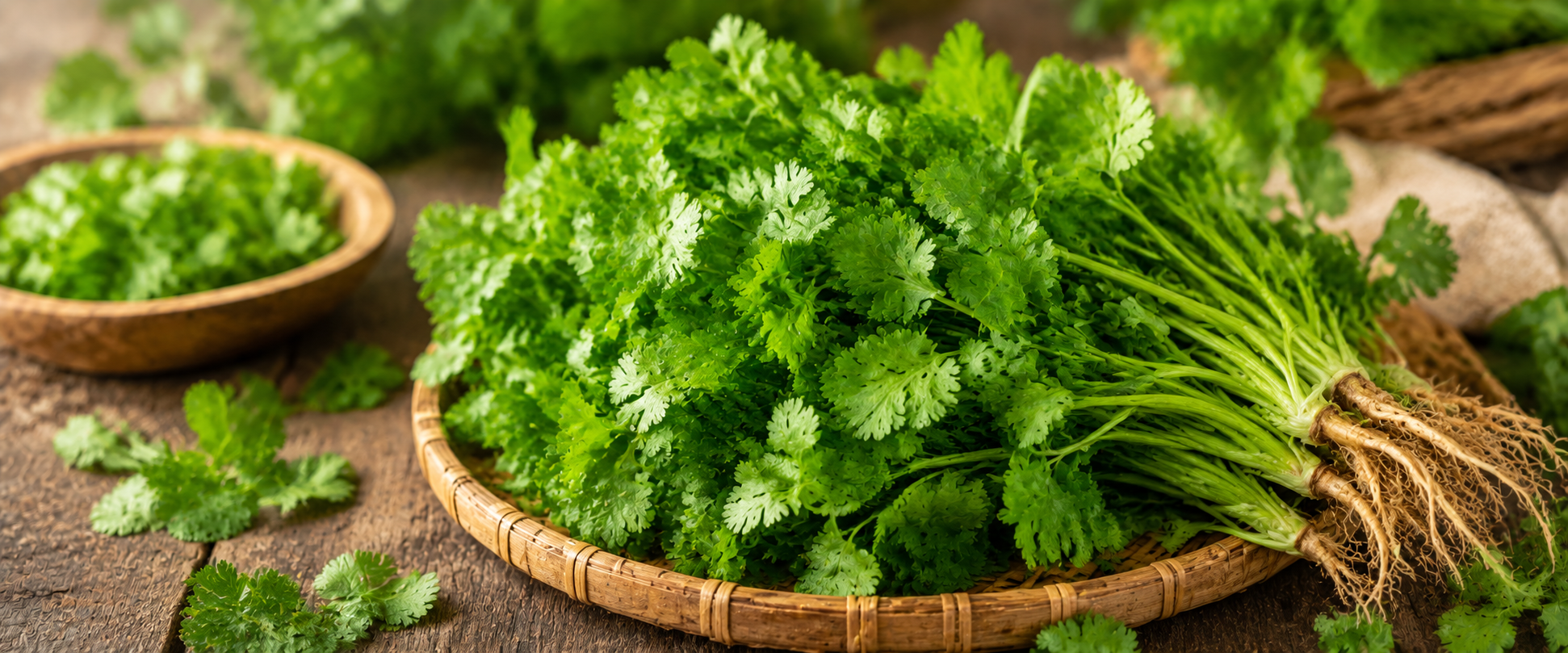
Coriander is one such ingredient. Its green, fresh, slightly spicy and distinctive aroma has long been a familiar part of Vietnamese and Asian cuisine. Even in small amounts, it can change the overall perception of a dish, bringing a sense of freshness while enhancing the existing layers of flavor.
From a familiar herb in the kitchen, coriander is becoming a source of inspiration for many new F&B product ideas.
From an Herb to the Signature of a Dish
In Vietnamese cuisine, coriander is often added toward the end of the cooking process. A small amount of coriander on a bowl of pho, a soup, a stir-fried dish or a salad can make the dish feel more complete. It does not necessarily need to be a main ingredient, yet it has the ability to create a distinctive aromatic signature.
That is also what makes coriander interesting: it does not need to be used in large quantities to create a noticeable difference in the consumer’s experience. When brought into modern F&B products, this characteristic opens up many more possibilities for coriander flavor applications.
Coriander Flavor – Part of a “Fresh” Experience
When it comes to food, the perception of freshness does not come only from the ingredients themselves; it can also be created through aroma. Coriander flavor brings a green, fresh and vibrant character, helping consumers associate it with freshly cut herbs, steaming hot dishes or recipes featuring natural ingredients.
For this reason, coriander flavor can serve as an accent that makes a product feel brighter and fresher in perception. In certain formulations, a well-balanced aromatic note can also help complement rich flavor bases such as spicy, salty, creamy or umami profiles.
When Coriander Moves Beyond the Traditional Kitchen
Coriander has long been familiar in Vietnamese and Asian cuisine, but its applications do not have to stop at traditional dishes. Coriander flavor can be explored across various product categories:
Seasoning: Noodle seasoning, soup seasoning, snack seasoning, hot pot seasoning and seasoning blends.
Sauces: Dipping sauces, spicy sauces, meat sauces, seafood sauces and various sauce formulations.
Processed Foods: Instant noodles, meat products, seafood products and ready-to-eat foods.
What makes this interesting is that a highly familiar ingredient can still become a distinctive highlight in completely new products.
Why Is Coriander Flavor Valuable in Product Development?
In food production, using fresh coriander can provide a natural aroma, but it also comes with considerations related to raw material supply, seasonality, storage and consistency. Particularly for large-scale production, maintaining consistent aromatic characteristics across different production batches is extremely important. This is where coriander flavor can become a supporting solution in the formulation development process. Instead of relying entirely on fresh ingredients, product developers can have greater control over the desired aromatic characteristics and incorporate the profile into different product bases.
Coriander Flavor and Rich, Bold Dishes
One of coriander’s strengths is its ability to complement bold flavor bases. When combined with chili, garlic and pepper, coriander can help make the overall flavor feel fresher and more balanced. When paired with seafood products, it can contribute to enhancing the characteristic perception of the dish. In noodle, seasoning or sauce formulations, coriander flavor can serve as an additional aromatic layer, helping the product feel more familiar and reminiscent of well-known dishes. It does not need to be the main flavor to play an important role in completing the overall experience.
From Familiar Flavors to New F&B Ideas
The F&B market is increasingly focused on experiences that evoke memories and recognition. A dish may make an impression through its spiciness, richness or umami character, but sometimes it is the smaller aromatic notes that help consumers associate it with a specific dish. Coriander is a clear example.
A fresh and green aromatic note can evoke an entire bowl of hot pho, a dipping sauce, a seafood dish or a familiar meal. And when these culinary memories are brought into modern products, coriander flavor can become a bridge between traditional flavors and new ideas in F&B.

CORIANDER FLAVOR – A FRESH ACCENT FOR F&B PRODUCTS
From seasoning, instant noodles, sauces and spices to seafood products and processed foods, coriander flavor can be developed for a wide range of applications, creating a fresh aromatic signature that is familiar to Asian consumers.
LSEATEX provides coriander flavor and flavor solutions for a wide range of applications in the F&B industry.
📩 Contact LSEATEX for consultation and product samples!
📍 LSEATEX Vietnam
📞 Contact: 070.8866.356 – 028.3622.0923
🏢 Address: No. 2, Street 24, An Khanh Ward, Ho Chi Minh City
💬 Fanpage: facebook.com/Lseatex
🌐 Website: http://lseatex.com
#LSEATEX #CorianderFlavor #Coriander #CorianderFlavoring #Flavor #FoodFlavoring #FoodIngredients #FNB #FlavorDevelopment #FoodInnovation #Seasoning #FoodFlavor #ProductDevelopment