
SEAFOOD FLAVOR – WHEN AROMA DEFINES THE FEELING OF “FRESHNESS AND DELICIOUSNESS”
Have you ever noticed that sometimes, just by smelling an aroma, you already know what you are about to eat?
A hint of shrimp aroma. A note of grilled squid. Or the distinctive seafood aroma coming from a bag of snacks. Even before taking the first bite, your sense of smell has already begun to “tell the story” of the food. That is what makes seafood flavor so distinctive in the food industry.
Seafood Is Not Experienced Through Taste Alone
When we talk about seafood, we often think of natural sweetness, umami, and richness. But in reality, aroma plays a major role in shaping the overall perception of a food product. A noodle product may have a spicy and salty taste, but without shrimp aroma, the characteristic “shrimp noodle” experience may not be as clear. Likewise, a snack may have a rich taste, but without distinctive seafood notes, it can be difficult to create a recognizable flavor identity.
This shows that: Aroma does more than complement taste. It helps consumers recognize the food.
From a Shrimp to a Bag of Snacks
Let’s take a closer look at the journey of a product. Starting with the original seafood ingredients, manufacturers need to transform them into products that can be preserved, transported, and produced on a large scale.
However, throughout this process, the characteristic aroma of the raw ingredients can change. Temperature. Processing time. Drying. Frying. Storage. All of these factors can affect the final flavor profile. And this is where seafood flavoring can become an important part of the formulation.
Not Every “Seafood Aroma” Is the Same
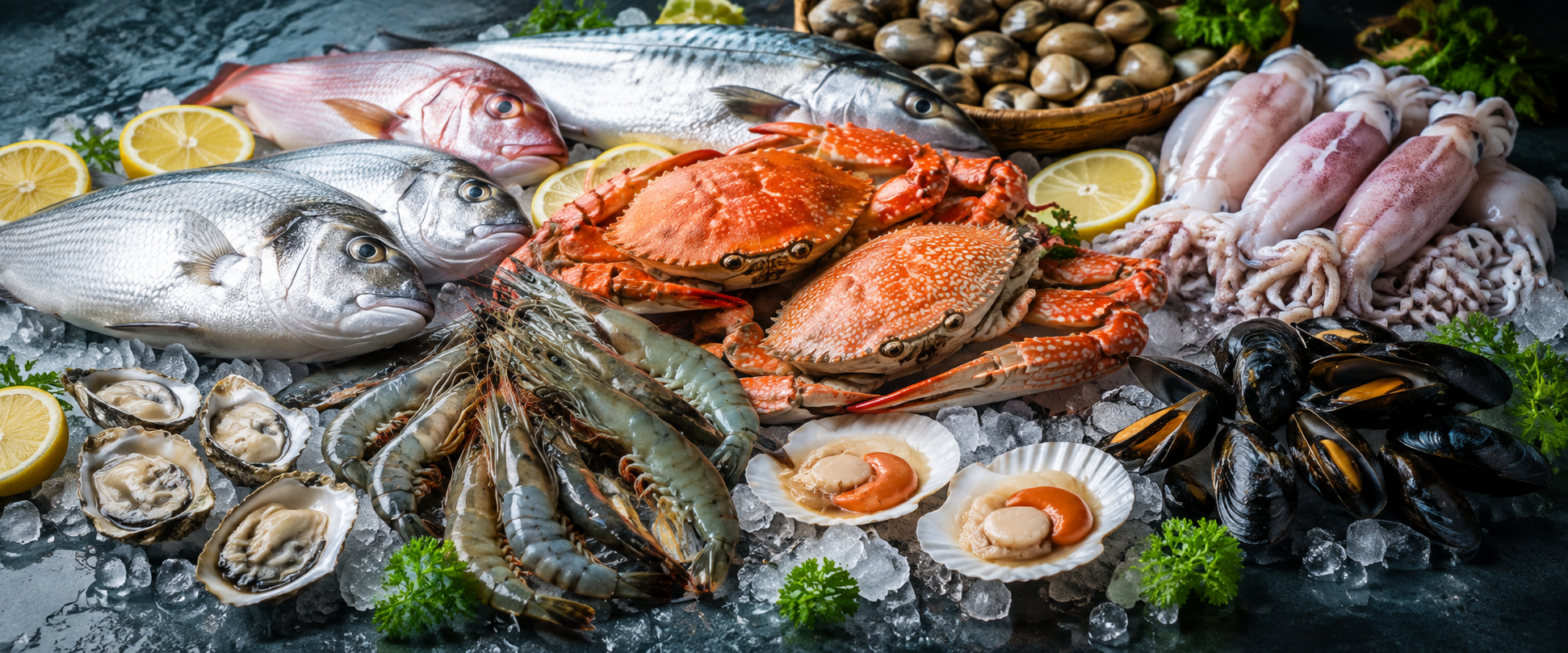
One of the most interesting things about this flavor category is that seafood does not have just one single flavor profile. Shrimp can deliver a sweet, rich, and distinctive character. Squid can provide a more pronounced marine note. Crab can evoke a sweet and creamy impression. Fish can offer very different nuances depending on the species. Therefore, when developing a product, identifying the right “flavor story” is extremely important.
Even a small change in the flavor profile can give a product a completely different character.
When Flavoring Helps Improve Product Consistency
In industrial production, using real seafood ingredients is not always simple. Raw material sources can vary. Seasons can differ. Ingredient levels may change from one formulation to another. Processing conditions can also affect aroma.
Meanwhile, consumers expect something very simple:
“If it tasted a certain way last time, it should taste almost the same this time.”
This is one of the reasons flavoring is used in product development. Flavoring can help manufacturers control and maintain the desired flavor profile, especially in formulations that require a high level of consistency between production batches.
Seafood Flavor Is Not Only for Products That “Contain Seafood”
Another interesting direction is that seafood flavor can also be used to build a flavor concept.
For example:
Spicy seafood noodles.
Grilled shrimp-flavored snacks.
Shrimp crackers.
Seafood sauce.
Thai seafood hot pot seasoning.
Seafood stir-fried noodles.
In these applications, flavoring does more than recreate the raw ingredient. It helps create a complete food experience. Consumers are not simply experiencing “shrimp aroma.”
They are experiencing an entire dish:
savory – spicy – umami – aromatic – rich – seafood.
The Biggest Challenge: “Rich” Without Being “Overpowering”
This is one of the most important factors when developing seafood flavors. If the aroma is too light, the product may lack impact. If it is too strong, the aroma can become heavy and reduce the overall appetite appeal. Therefore, flavor development is not simply about increasing intensity. It is about finding the right balance between intensity, character, and the product base.
A shrimp flavor designed for snacks may require a different profile from a shrimp flavor intended for noodles.
A squid flavor used in seasoning may also need to be expressed differently from one used in processed squid products.
The same ingredient can require a different “flavor story” depending on the application.
From “Seafood Aroma” to the “Feeling of Deliciousness”
Ultimately, the purpose of flavoring is not simply to make a product smell like shrimp, crab, or squid. The greater goal is to create a complete sensory experience.
Aroma comes before taste.
And sometimes, those first few seconds can determine whether consumers want to continue enjoying the product.
SEAFOOD FLAVOR – CREATING A DISTINCTIVE CHARACTER FOR RICH AND SAVORY PRODUCTS
From snacks, instant noodles, seasoning, sauces to processed seafood products, seafood flavors can be developed into various profiles depending on the product base and the desired sensory experience.
LSEATEX provides seafood flavor solutions for a wide range of applications in the F&B industry.
📩 Contact LSEATEX for consultation and sample requests!
📍 LSEATEX Vietnam
📞 Contact: 070.8866.356 – 028 36220923
🏢 Address: No. 2, Street 24, An Khanh Ward, Ho Chi Minh City
💬 Fanpage: facebook.com/Lseatex
🌐 Website: http://lseatex.com
#LSEATEX #SeafoodFlavor #ShrimpFlavor #SquidFlavor #FishFlavor #Flavor #FoodFlavoring #FoodIngredients #FNB #FlavorDevelopment #FoodInnovation #Seafood #ProductDevelopment